Những bài viết từ AI
[2024] Banh mi: The Ultimate Vietnamese Sandwich Experience
Banh mi is not just a sandwich; it’s a rich tapestry woven from the threads of Vietnamese culinary history and French colonial influence, presenting a delightful experience characterized by a burst of flavors and textures. Emerging from France’s introduction of the baguette to Vietnam in the late 19th century, banh mi has evolved into a beloved staple, capturing the hearts (and stomachs) of people around the globe. The word “banh mi” literally means “bread made from wheat flour,” but it now signifies so much more a harmonious exploration of tastes that includes savory meats, pickled vegetables, and aromatic herbs, all encased in a crisp, airy baguette.
This iconic dish not only represents a quick and delicious meal option but also mirrors the resilience and adaptability of the Vietnamese people throughout history. Ban mi is a powerful emblem of cultural integration, showcasing how foreign influences can meld beautifully with local ingredients and traditions. For many, it symbolizes the essence of Vietnam a country rife with vibrant flavors and rich cultural heritage. Whether devoured on bustling city streets or enjoyed in homes around the world, banh mi continues to be a beloved culinary symbol of Vietnam’s historical journey and its dynamic spirit.
What Makes Banh Mi Unique?
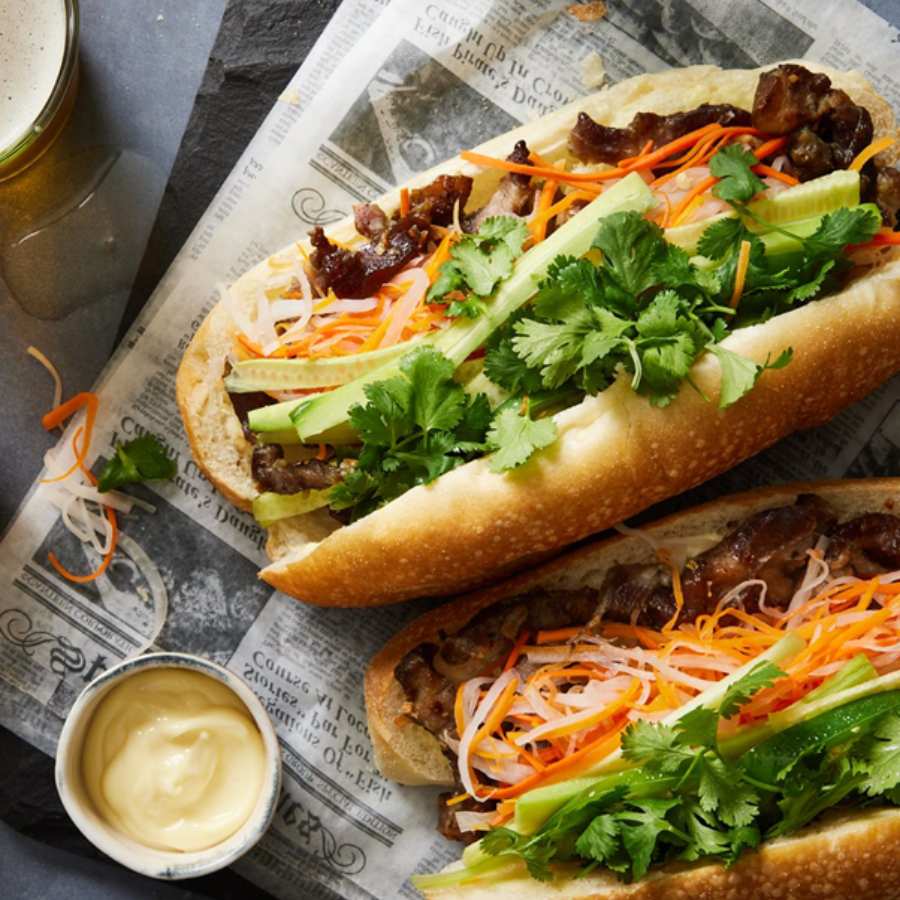
The uniqueness of banh mi lies in its vibrant and multifaceted combination of elements that create a taste adventure like no other. At its core, banh mi is a fusion of textures and flavors, with crispy baguettes that contrast beautifully with soft, savory fillings. The sweet-tangy crunch of pickled vegetables balances the richness of the meat, while fresh herbs and spicy condiments introduce layers of complexity in flavor.
Beyond its flavor profile, the cultural significance of banh mi sets it apart from other sandwiches. It represents Vietnam’s ability to adapt and innovate, promising a quick yet satisfying meal embraced by people from all walks of life. Furthermore, the continuing evolution of banh mi fuelled by a desire for culinary experimentation ensures that it remains a relevant and cherished dish in both Vietnam and globally.
Cultural Significance of Banh Mi
The cultural backdrop of banh mi is as rich and complex as its flavor combinations. Born from a blend of French colonial influence and Vietnamese tradition, banh mi symbolizes an era of change in Vietnam’s culinary landscape. This sandwich has transitioned from being a specialty for French colonizers to a widely loved street food enjoyed by all segments of society.
Banh mi’s representation of Vietnamese culinary adaptability:
- Historical Context: Initially introduced by the French in the late 1800s, banh mi showcased the impact of colonialism on Vietnamese gastronomy. As the French brought in wheat flour and recipes, Vietnamese cooks began creating their own variations, infusing local ingredients. The sandwich evolved, reflecting the nation’s history.
- Societal Importance: Banh mi serves as a culinary equalizer, accessible to everyone from busy students to laborers. Found at street stalls, restaurants, and even finer dining establishments, it transcends social barriers, embodying the spirit of Vietnamese hospitality.
- Symbol of Resilience: Post-1954, following the partition of Vietnam, the sandwich took on numerous regional variations as Vietnamese émigrés spread worldwide. It has become a cultural symbol of resilience and innovation, encapsulating the stories of communities navigating their identities far from home.
The evolution of banh mi, particularly after the Vietnam War, showcases how a simple dish can carry profound significance, adapting and thriving according to the needs and tastes of different cultures. It’s a dish that tells a story a story of mingling flavors, historical depth, and unyielding spirit.
Key Ingredients in Banh Mi
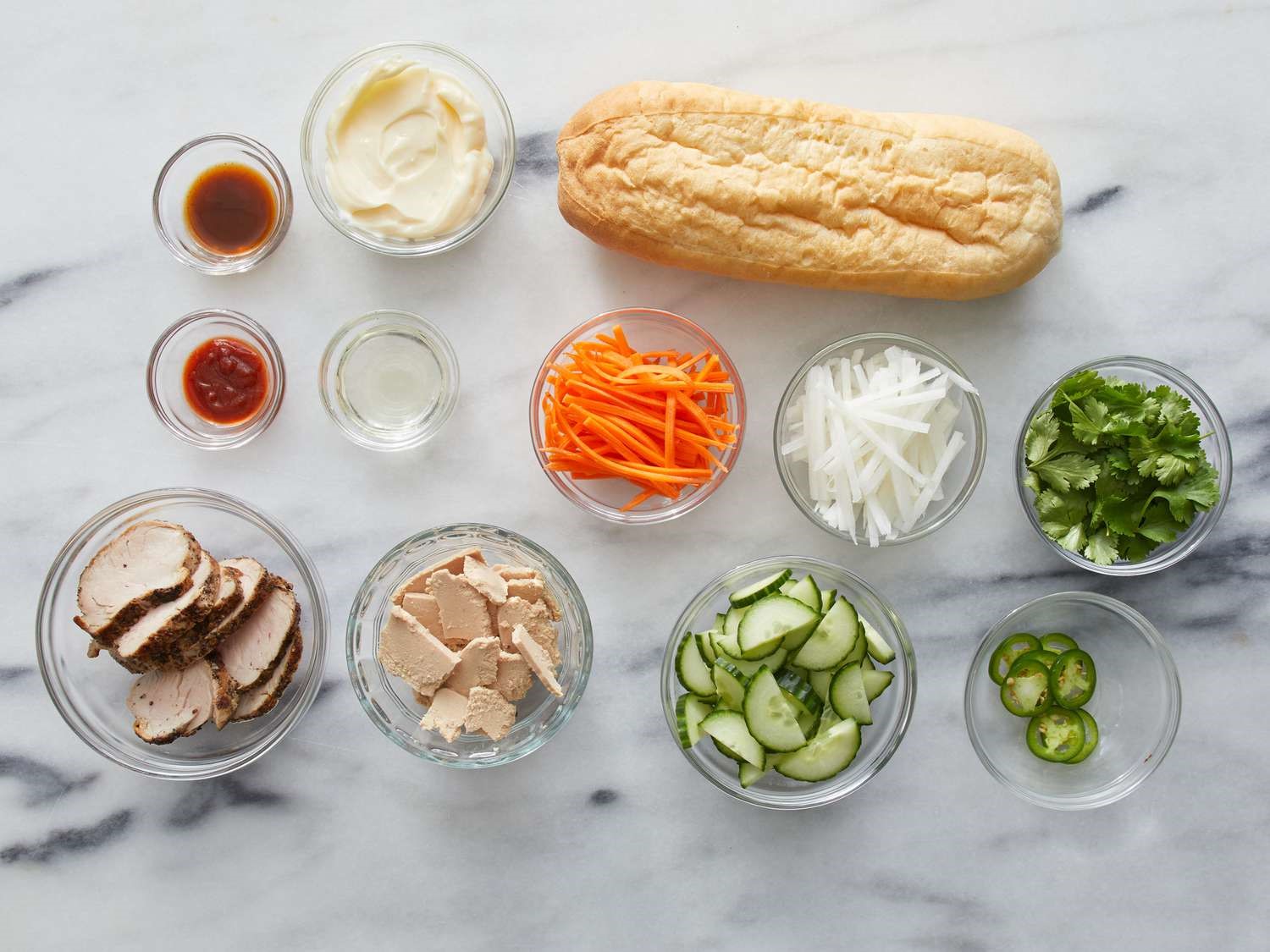
At the heart of every amazing banh mi lies a selection of key ingredients that work together to create its distinct appeal. The magic happens in the balance every element plays a role, transforming the sandwich into a noteworthy meal.
- Bread: The crunchy baguette serves as the foundation. Traditionally made with a mix of wheat and rice flour, the baguette embodies lightness, crispy on the outside yet soft and fluffy on the inside.
- Proteins: The meat choices vary, including grilled pork, chicken, and various cold cuts, each adding their unique flavors to the ensemble. Many people favor the inclusion of pâté, which brings a creamy richness that complements the other components.
- Pickled Vegetables: Pickled carrots and daikon provide the quintessential sweet and tangy contrast to savory meats. Their satisfying crunch enhances the overall texture of the sandwich.
- Fresh herbs and vegetables: Fresh herbs like cilantro and slices of cucumber contribute freshness and vibrancy, making each bite balanced and wholesome.
- Condiments: Various sauces like mayonnaise and hoisin sauce add depth and creaminess, while chili sauce can offer a kick that excites the palate.
Typical Ingredients Summary:
| Ingredient Type | Example Ingredients | Role |
| Bread | Baguette | Foundation, texture |
| Proteins | Grilled pork, chicken, cold cuts, tofu | Savory flavors |
| Pickled Vegetables | Carrots, daikon | Sweet-tangy crunch |
| Fresh Herbs & Veggies | Cilantro, cucumber | Freshness |
| Condiments | Mayonnaise, hoisin sauce, chili | Flavor depth |
The combination of these ingredients not only tantalizes taste buds but also tells a story of culinary diversity, echoing the multicultural fabric of Vietnamese society.
Popular Variations of Banh Mi
Banh mi is a versatile sandwich that has given rise to numerous variations, reflecting local tastes and preferences. This adaptability has led to the creation of distinct versions, each with unique flavor profiles, allowing it to appeal to a broad range of palates.
- Banh Mi Thit: Featuring an array of cold cuts and meats, this version includes pork sausage, pâté, and mayonnaise, creating a meaty delight that many fans adore.
- Banh Mi Xiu Mai: Composed of minced pork meatballs, this variant is drenched in a savory sauce, promising rich flavors packed inside the crispy baguette.
- Banh Mi Cha: This sandwich contains slices of pork roll, loved for its seasoned flavors and juicy texture, providing a satisfying experience.
- Banh Mi Chay: The vegetarian version of banh mi uses tofu or other plant-based proteins, appealing to health-conscious eaters or those looking for meat alternatives.
Popular Variations at a Glance:
| Variation | Description | Key Ingredients |
| Banh Mi Thit | Meaty delight with an assortment of cold cuts | Cold cuts, pâté, mayonnaise |
| Banh Mi Xiu Mai | Minced pork meatballs in savory sauce | Meatballs, pickled vegetables |
| Banh Mi Cha | Juicy pork roll slices | Pork roll, pickled veggies, herbs |
| Banh Mi Chay | Vegetarian option with plant-based fillings | Tofu, fresh veggies, sauces |
These variations showcase the creativity of vendors and chefs in Vietnam and around the world, allowing people to experience new flavors while enjoying the classic essence of banh mi.
How to Make Banh Mi at Home
Creating banh mi at home brings a sense of personal joy and allows one to enjoy this iconic dish at any time. The process combines the key elements from the sandwich-making tradition, showcasing its unique flavors and textures. A homemade banh mi can be tailored to individual tastes, making it a delightful culinary project.
Essential Tools for Making Banh Mi
To successfully prepare banh mi at home, having the right set of tools is essential. These tools streamline the cooking process, ensuring that every component comes together perfectly.
- Stand Mixer: For kneading and mixing dough, a stand mixer simplifies the bread-making process.
- Dough Scraper: This tool helps shape and transfer dough efficiently, making the preparation easier.
- Baking Sheet: You’ll need a baking sheet to place your baguettes for baking.
- Pizza Stone or Cast Iron Skillet: These tools help create an environment that promotes steam during baking, resulting in a perfectly crisp crust.
- Wire Cooling Rack: It’s crucial to cool the baguettes after baking, ensuring they retain their texture.
Essential Tools Overview:
| Tool | Function |
| Stand Mixer | Mixing and kneading dough |
| Dough Scraper | Shaping and transferring dough |
| Baking Sheet | Holding the baguettes before baking |
| Pizza Stone/Skillet | Creating steam for a crispy crust |
| Wire Cooling Rack | Cooling baked baguettes |
Having these tools on hand can elevate the homemade banh mi experience, providing the foundation for an authentic tasting sandwich.
Step-by-Step Guide to Preparing Banh Mi
Making banh mi at home is both rewarding and straightforward. Following a detailed process allows you to enjoy the delightful sandwich right from your kitchen.
- Make the Dough: Combine 500g bread flour, 15g sugar, 8g instant yeast, and 10g salt in a stand mixer. Gradually add 15g vegetable oil and 325-350g of water, kneading until smooth and elastic.
- First Rise: Place the dough into a lightly greased bowl and cover it with plastic wrap. Allow it to rise until doubled in size, which typically takes about 1-2 hours.
- Shape the Dough: After the first rise, divide the dough into four portions, shaping each into a log approximately 10 inches long. Place shaped logs into a lightly oiled banneton or on a floured towel, allowing them to rise again for 30-45 minutes.
- Score the Dough: Use a sharp knife to make 4-5 slashes across the top of each dough log, which allows for expansion during the baking process.
- Second Rise: Place the scored logs on a parchment-lined baking sheet. Cover them and let them rise while preheating the oven to 400°F (200°C) for another 30-45 minutes.
- Bake: Mist the dough with water before placing it in the oven. Bake for 25-30 minutes until golden brown, brushing each loaf with melted butter for added sheen.
Guidelines Summary:
| Step | Action |
| Make the Dough | Combine ingredients and knead |
| First Rise | Cover and let it rise |
| Shape the Dough | Divide and shape into logs |
| Score the Dough | Make slashes for expansion |
| Second Rise | Let rest before baking |
| Bake | Place in oven and bake until golden |
These steps make it feasible to recreate the magic of banh mi in your home kitchen, letting you enjoy fresh sandwiches filled with your favorite ingredients.
Tips for Achieving the Perfect Banh Mi
Creating a delicious banh mi requires attention to detail and a few tips to enhance both the bread and filling. Here are some key insights that can ensure your sandwich is as perfect as possible.
- Measuring Ingredients: Use a kitchen scale for accurate measurements, ensuring consistency in the dough and fillings.
- Kneading Thoroughly: A well-kneaded dough leads to gluten development, crucial for achieving that light and airy texture.
- Complete Rises: Allowing the dough to fully rise is critical; it traps air pockets needed for an airy baguette.
- Baking the Bread: Misting the dough before baking helps achieve a crispy crust while encouraging further oven spring.
- Filling Variations: Experiment with different fillings marinated grilled meats, pickled vegetables, fresh herbs, and sauces to create unique flavors while honoring traditional elements.
Perfecting Components Overview:
| Tip | Guideline |
| Measuring Ingredients | Use a scale for accuracy |
| Kneading Thoroughly | Develop gluten structure |
| Complete Rises | Allow the dough to fully rise |
| Baking the Bread | Mist before baking for crustiness |
| Filling Variations | Experiment with flavors |
By following these tips, home cooks can recreate banh mi that rivals those found in Vietnam, with the same heart and soul-filled flavors that make this sandwich truly special.
Where to Find the Best Banh Mi
After mastering the art of making banh mi at home, there are still plenty of places around the world to indulge in professionally made versions. The experience of savoring this cherished sandwich in its authentic environment can be enchanting, just as important are the experiences shared with those who prepare it like artisans.
Top Banh Mi Shops Around the World
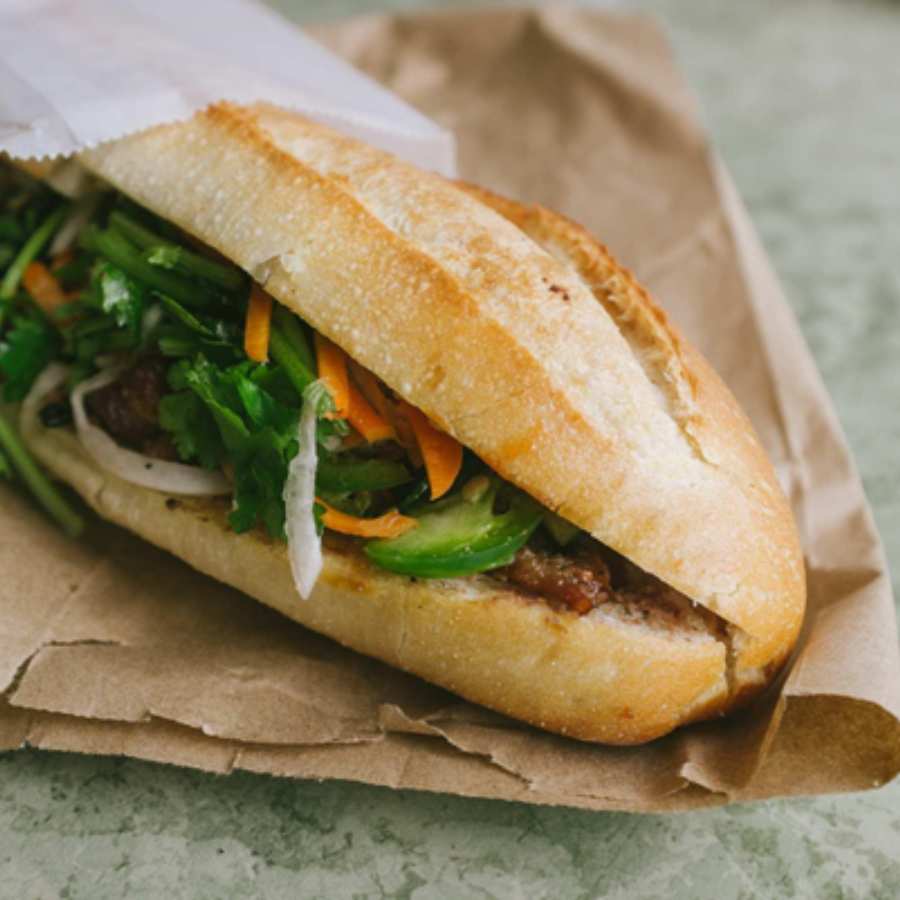
Across the globe, certain establishments have become revered for their exceptional banh mi offerings, each bringing their unique twist to the beloved sandwich while maintaining its core qualities.
- Banh Mi Phuong (Hoi An, Vietnam): Widely acclaimed for its extensive variety, offering up to 18 different sandwiches. Chef Anthony Bourdain famously called it a “symphony in a sandwich,” capturing the hearts of both locals and tourists.
- Banh Mi Huynh Hoa (Ho Chi Minh City, Vietnam): This shop is noted for its meaty options, with combinations that are rich enough to make any meat lover proud an absolute favorite among city dwellers.
- Madam Khanh The Banh Mi Queen (Hoi An, Vietnam): This cozy spot is loved for its fresh ingredients and bold flavors, making it a must-visit for anyone seeking a top-tier banh mi experience.
- Saigon Sandwich (San Francisco, USA): Lauded for authentic flavors and quality ingredients, establishing itself as one of the finest locations for banh mi outside Vietnam.
- Banh Mi Saigon (New York City, USA): A pioneer in the neighborhood, this establishment continues to deliver traditional Vietnamese flavors and a beloved sandwich experience.
Top Banh Mi Shops Summary:
| Restaurant | Location | Highlight |
| Banh Mi Phuong | Hoi An, Vietnam | Up to 18 varieties, celebrity endorsement |
| Banh Mi Huynh Hoa | Ho Chi Minh City | Rich, meaty offerings |
| Madam Khanh | Hoi An, Vietnam | Fresh ingredients, cozy atmosphere |
| Saigon Sandwich | San Francisco, USA | Authentic flavors and quality |
| Banh Mi Saigon | New York City, USA | Traditional Vietnamese flavors, long-standing establishment |
No matter where you find yourself, these remarkable spots will guide you on a delightful culinary journey through the world of banh mi.
Exploring Regional Differences in Banh Mi
The beauty of banh mi lies in its regional variations across Vietnam, where different herbs, meats, and local ingredients shape its identity, providing a wide-ranging taste of the nation’s culinary diversity.
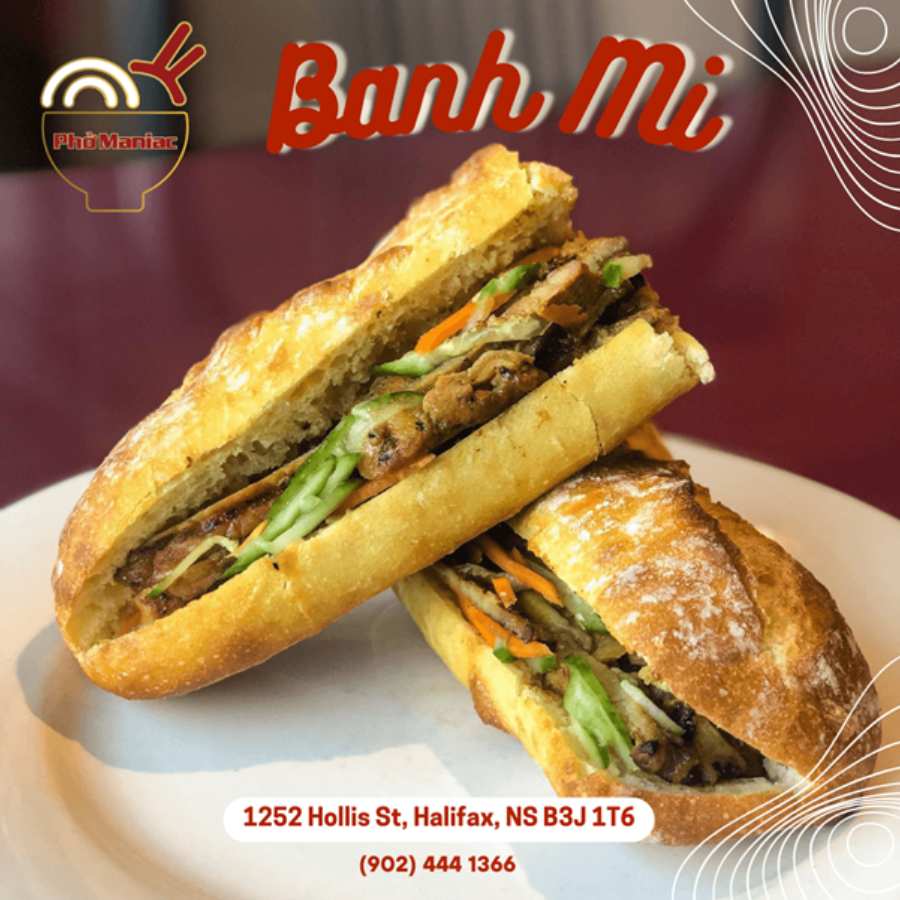
- Hanoi’s Banh Mi: In the North, banh mi is typically accented with simpler flavors. You might find sandwiches filled with flavorful pâté, salted shredded meat, and a delineation of vegetables. The focus is on classic, uncomplicated flavors that highlight quality ingredients.
- Ho Chi Minh City’s Banh Mi: Contrasting with the North, southern versions are heartier and packed with a variety of grilled meats and cold cuts, often featuring a thicker crust. The choice of fillings is generous, appealing to the local love for bold and diverse flavors.
- Regional Twists: Each city introduces local flair. For instance, Hoi An’s Banh Mi Phuong features unique sauces and crunchy vegetables, while Nha Trang’s offerings are lighter, utilizing ingredients like fried fish patties topped with garlic chili.
- Trends in Banh Mi: Recent years have brought innovative concepts to the fore, as chefs experiment with fusion styles and non-traditional fillings, thus broadening the sandwich’s appeal internationally.
Regional Variations Overview:
| City | Style of Banh Mi | Notable Ingredients |
| Hanoi | Simpler, classic flavors | Pâté, salted meat |
| Ho Chi Minh City | Heartier, variety-rich | Grilled meats, cold cuts |
| Hoi An | Unique sauces, fresh crunch | Special sauces, fresh veggies |
| Nha Trang | Lighter fillings | Fried fish, garlic chili |
As banh mi continues to capture hearts and appetites around the world, its regional variations highlight the beauty of diversity, each bite telling a unique story reflective of its origins.
Banh Mi Trends and Innovations
With the global popularity of banh mi on the rise, it remains at the forefront of culinary exploration, inspiring innovative twists and modern adaptations that keep the beloved sandwich fresh and exciting.
One of the most notable trends in banh mi is the fusion of cultures. Chefs worldwide have begun experimenting with ingredients that reflect local populations, leading to mouth-watering creations that respect traditional flavors while exploring new avenues.
- Gourmet Banh Mi: In gourmet eateries, banh mi is reimagined with high-quality artisanal ingredients, like house-made pickles, organic meats, and specialty sauces, appealing to the food lover’s desire for elevated street food experiences.
- Health-Conscious Options: Many eateries are now offering healthier alternatives, such as gluten-free bread, vegan proteins, and fresh vegetables, catering to dietary trends while maintaining the essence of banh mi.
- Flavor Infusions: Chefs are incorporating unique flavor profiles, using sauces such as sriracha aioli or kimchi-infused spreads, enhancing the banh mi experience while aligning with contemporary culinary trends.
Trends Summary:
| Trend | Description |
| Gourmet Banh Mi | Using high-quality, artisanal ingredients |
| Health-Conscious Options | Gluten-free, vegan alternatives |
| Flavor Infusions | Incorporating unique sauces and spices |
While the classic banh mi will always hold its rightful place in the hearts of many, these innovative trends ensure that this iconic dish continues to evolve, captivating a new generation of sandwich lovers.
Comparing Banh Mi to Other Sandwiches
As we explore the remarkable world of sandwiches, banh mi stands out for its unique attributes that differentiate it from other sandwiches, such as subs, tortas, and traditional French baguette sandwiches.
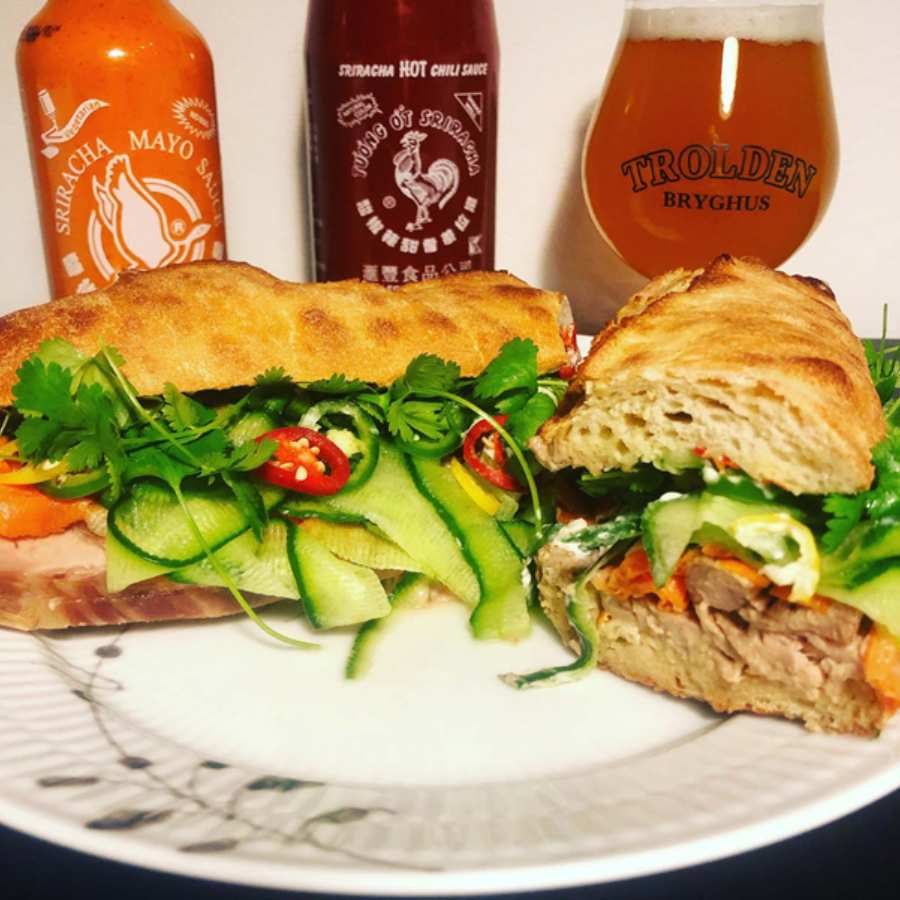
While submarine sandwiches, or “subs,” hail from the United States and typically include cold cuts, cheese, and assorted toppings held within soft, chewy bread, banh mi embodies a crisp baguette filled with flavorful meat and vibrant vegetables. This difference sets the stage for a contrasting sandwich experience.
Banh Mi vs. French Sandwiches: A Culinary Duel
Just like a classic French sandwich, which often emphasizes singular filling types such as the jambon-beurre a simple combination of ham and butter banh mi stands out for its broader array of flavors and ingredients. The Vietnamese sandwich celebrates the melange of tastes and textures instead of focusing on a single element.
- Baguette Diversity: The Vietnamese baguette is often lighter, incorporating rice flour, resulting in a crispier crust, while French baguettes may lean towards heartiness in texture.
- Flavor Combinations: Banh mi features an eclectic blend of ingredients, including pickled vegetables and fresh herbs, alongside heartier components like grilled meat or pâté. This ensemble maximizes flavor diversity rather than relying on just one or two ingredients.
- Culinary Heritage: While French sandwiches often highlight artisanal ingredients and craftsmanship, banh mi embodies the ethos of street food, accessible, and adaptable to local preferences.
Banh Mi vs. Submarine Sandwiches: What’s the Difference?
When comparing banh mi to submarine sandwiches, multiple distinctions arise beyond just ingredients.
- Bread Texture: Banh mi uses a crispy baguette, while subs commonly employ softer rolls. This crucial difference impacts the overall mouthfeel of the sandwich.
- Flavor Exploration: Banmi sandwiches present a variety of tastes often combining sweet, spicy, and fresh components while submarines typically focus on heartier toppings, like salami and turkey.
- Cultural Influence: Banh mi offers a glimpse into Vietnamese culture, representing a blend of French colonialism and local culinary practices, while subs reflect American sandwich tradition and comfort food.
Banh Mi vs. Tortas: Unique Flavors and Styles
Lastly, when pitting banh mi against tortas, a Mexican sandwich, it becomes clear that differences lie in flavors, styles, and assembly.
- Bread Use: Tortas utilize bolillos, which have a different texture than the airy baguette of banh mi, resulting in varied sandwich experiences.
- Flavor Profiles: Tortas often feature hearty fillings including meats, cheese, and spicy salsas, harmonizing for bold flavors, while banh mi incorporates pickled elements and fresh herbs that deliver contrasting flavors.
- Toppings: Tortas may utilize beans, avocados, and jalapeños, whereas banh mi prominently includes pickled vegetables and a variety of fresh herbs, showcasing the intersection of flavor and freshness.
Through these comparisons, it’s evident that while banh mi, subs, tortas, and French sandwiches all share basic principles of sandwich-making, each evolves from its unique cultural heritage, offering distinctive culinary experiences that reflect their origins.
Frequently Asked Questions (FAQs)
- What is banh mi? Banh mi is a Vietnamese sandwich that consists of a crispy baguette filled with a variety of savory ingredients, including meats, vegetables, and herbs.
- Where did banh mi originate? Banh mi emerged during the French colonial period in Vietnam when the French introduced baguettes, which were later adapted by Vietnamese cuisine.
- What are the key ingredients in a typical banh mi? A typical banh mi includes a baguette, meats (such as grilled pork or chicken), pickled vegetables (carrots and daikon), fresh herbs (like cilantro), and various condiments.
- Can I find vegetarian options for banh mi? Yes, many places offer vegetarian banh mi that usually includes tofu or other plant-based fillings, making it accessible for various dietary preferences.
- How can I make banh mi at home? To make banh mi at home, prepare a baguette, fill it with your choice of meats or vegetarian ingredients, add pickled vegetables, fresh herbs, and condiments to taste.
Key Takeaways
- Banh mi is a fusion of Vietnamese and French flavors, highlighting its colonial history.
- **The sandwich offers a delightful balance *ween a crispy baguette and savory fillings.
- Regional variations and innovative twists continue to evolve the tradition of banh mi.
- Making banh mi at home requires specific tools and techniques for success.
- Exploring global hot spots for banh mi offers a richer understanding of its cultural significance.
Conclusion
In conclusion, banh mi is an exquisite representation of Vietnamese culture, elegantly intertwining historical resonance with culinary creativity. It stands as more than just a simple sandwich; it is a flavorful narrative reflecting Vietnam’s adaptability and resilience amidst change. As food lovers around the world dive into the fresh, savory layers of banh mi, each bite transports them to the bustling streets of Vietnam, suggesting stories of a rich past and the promise of a vibrant future. With its continued evolution, banh mi remains an enduring staple, enchanting those who partake in this delightful culinary gem.
SEO
SEO Title: Banh Mi: Discover the Ultimate Vietnamese Sandwich Experience
SEO Meta Description: Banh mi is a unique Vietnamese sandwich blending French and local flavors. Discover its key ingredients, variations, and where to find the best!
SEO Meta Keywords: banh mi, Vietnamese sandwich, best banh mi, banh mi ingredients, banh mi variations, making banh mi, cultural significance of banh mi
5 Keywords People Often Search:
- How to make banh mi
- Best banh mi in Vietnam
- Banh mi recipe
- Popular banh mi variations
- Banh mi ingredients list
5 Suggested Titles for Future Articles:
- The History of Banh Mi: Evolution from Colonial Influences to Global Phenomenon
- Exploring the Flavors of Banh Mi: An In-depth Ingredient Guide
- Street Food Around the World: How Banh Mi Compares to Global Classics
- Vegetarian Banh Mi: Delicious Plant-Based Variations
- Creative Banh Mi Recipes: Fusion Flavors and Modern Twists
Thông tin liên hệ:
Địa chỉ văn phòng: 670 Đường 3 Tháng 2, Phường Diên Hồng, TP. Hồ Chí Minh.
Email: marketing@mahai.vn
Zalo: Bánh mì Má Hải Official
Fanpage: Bánh mì Má Hải
- Trung tâm Phục vụ Bánh mì Má Hải: 0981 051 510
- Quản lý Đối tác Nhượng quyền: 0965 815 153
- Hotline Marketing: 0988 335 261